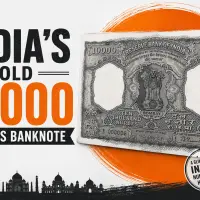
Most of us think the ₹2000 note was India's biggest currency surprise. It wasn't even close.
Decades before that, India printed notes worth ₹1000, ₹5000, and even ₹10,000 the highest-value currency the country has ever issued. And then, not once but twice, the government simply made them disappear.
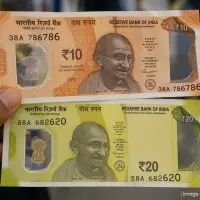
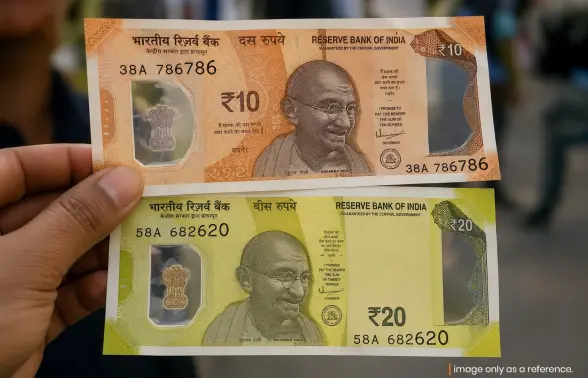
The development revives a decade-old idea that was first explored in 2012, when the then-UPA government conducted a limited field trial of ₹10 polymer notes in five cities.
The renewed interest is being driven by two persistent pressures: rising expenditure on currency printing and the rapid deterioration of paper notes in circulation.
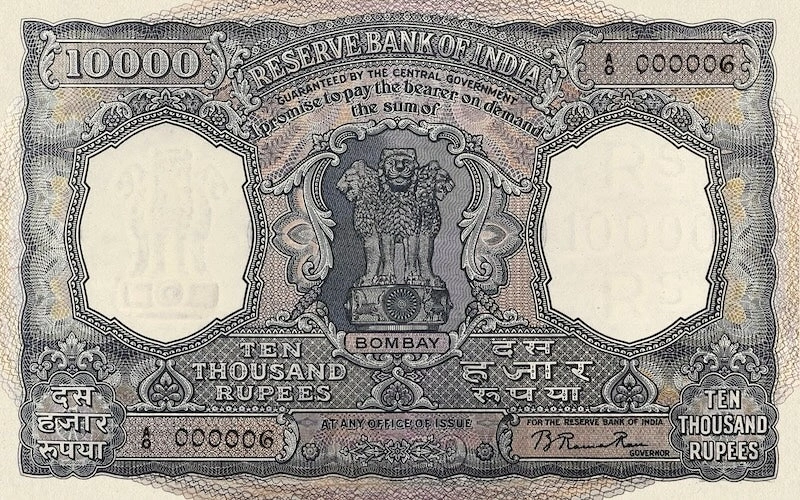
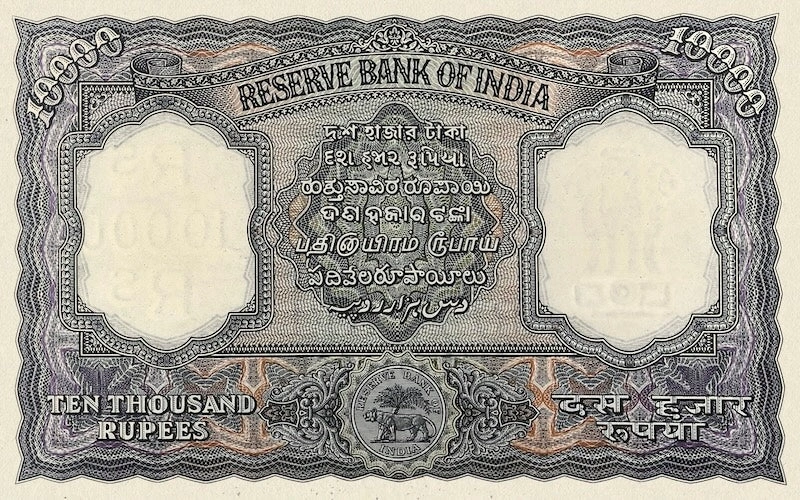
The Reserve Bank of India introduced the ₹1000 and ₹10000 notes in 1938, while it was still under British rule. The ₹5000 note joined them around the same period. At the time, these were the highest-value currency notes the RBI had ever printed.
These weren't everyday notes. They were meant for large transactions between banks, businesses, and wealthy individuals not for someone buying groceries.
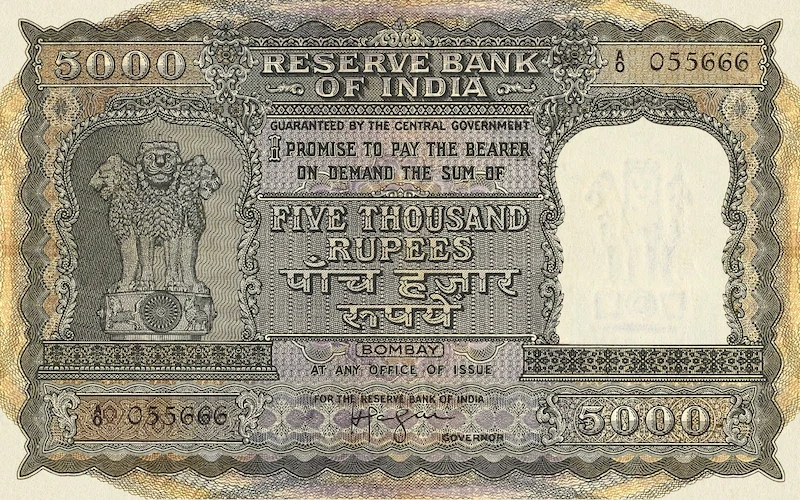
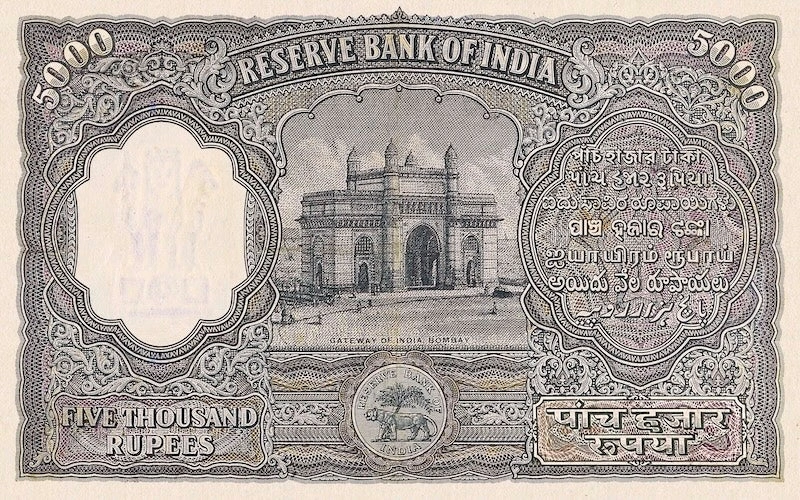
Just eight years after their introduction, all three notes were pulled out of circulation in January 1946, under British colonial rule. The goal was to crack down on black money and unaccounted wealth that had piled up during the Second World War.
This makes 1946 the first demonetization in India's history — long before independence.
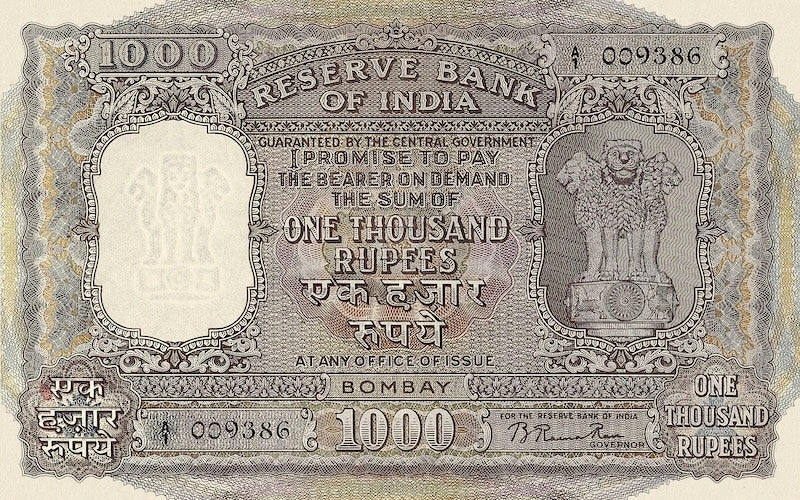
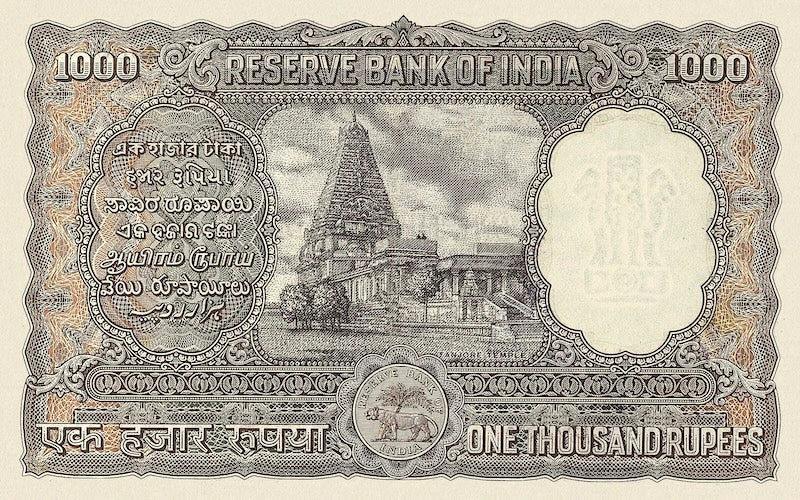
After independence, the government brought the ₹1000, ₹5000, and ₹10000 notes back into circulation in 1954, as the economy grew and needed higher-value currency for big transactions.
But the comeback didn't last. On 16 January 1978, the Morarji Desai government demonetized all three notes again, through the High Denomination Bank Notes (Demonetisation) Ordinance. Finance Minister H.M. Patel said the move was meant to choke off illegal transactions and unaccounted cash.
Interestingly, the then RBI Governor I.G. Patel was against the decision — but the government went ahead anyway. About 93% of these high-value notes in circulation were exchanged at banks; the rest simply went out of use.
It's worth noting how different India was back then: a ₹1000 note in 1978 could reportedly buy you 5 square feet of land in posh South Mumbai. Try buying anything close to that today.
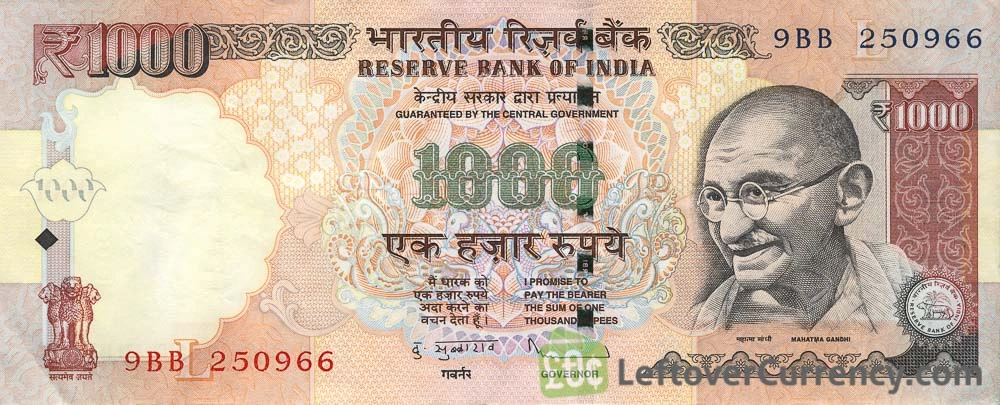
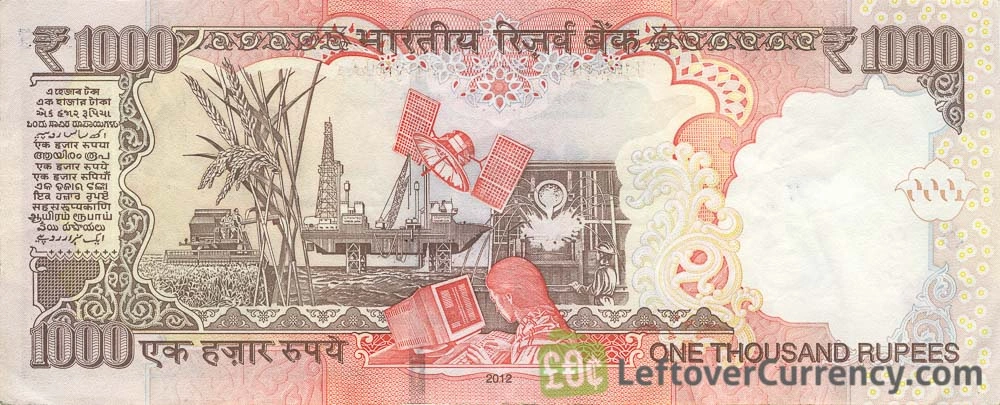
Yes! but only the ₹1000 note, and much later. In November 2000, under the Atal Bihari Vajpayee government, the ₹1000 note was reintroduced as part of the Mahatma Gandhi Series, mainly to ease pressure on lower-denomination notes caused by inflation.
This ₹1000 note stuck around for 16 years, until 8 November 2016, when Prime Minister Narendra Modi demonetized it again — this time alongside the ₹500 note — as part of the country's most talked-about demonetization drive.
The ₹5000 and ₹10000 notes, on the other hand, never returned. They remain confined to history books and currency museums.
Former RBI Governor Raghuram Rajan offered a simple explanation in 2015: counterfeiting risk. Printing very high-denomination notes makes them an easier and more attractive target for forgery, especially for a country in a tough geopolitical neighbourhood.
This is also why, even when the RBI introduced the ₹2000 note in 2016, it stopped well short of reviving anything close to ₹5000 or ₹10000.
| Year | Event |
|---|---|
| 1938 | ₹1000, ₹5000 and ₹10000 notes introduced by RBI |
| 1946 | All three notes demonetized for the first time |
| 1954 | Notes reintroduced after independence |
| 1978 | Demonetized again under PM Morarji Desai |
| 2000 | Only the ₹1000 note reintroduced |
| 2016 | ₹1000 note demonetized once more, alongside ₹500 |
| 2023 | The 1978 Demonetisation Act formally repealed |
From colonial-era banknotes to today's digital payments, India's currency story has seen some dramatic turns — and the ₹1000, ₹5000, and ₹10000 notes were right at the centre of two of them. Curious about more such stories from India's financial and cultural past? Keep following our blog for more.

Sharing rare finds, stories, and interesting facts from the world of currency.